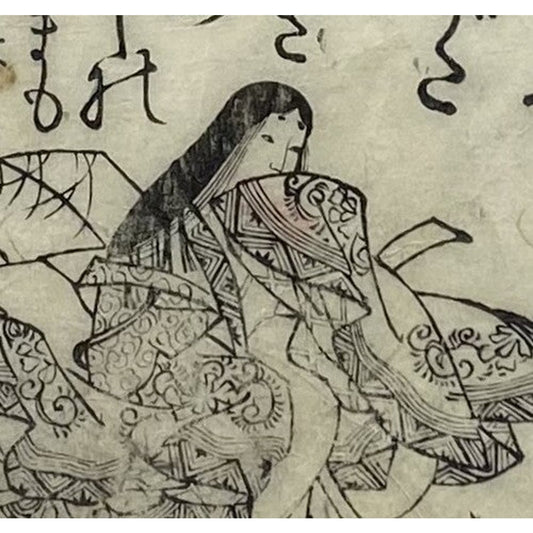
Japanese Woodblock Prints (Ukiyo-e)
Japanese woodblock prints, known as ukiyo-e (浮世絵), represent one of the most important forms of Japanese visual art. The term ukiyo-e is commonly translated as “pictures of the floating world”, referring to the urban culture of pleasure, entertainment, and everyday life. These works were produced using carved wooden blocks printed on paper, initially in black ink and later with multiple colors.
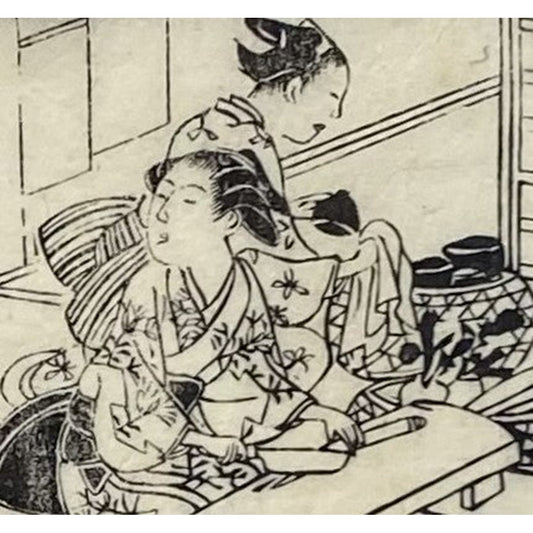
The technique developed in Japan during the late 17th century, when Edo (modern-day Tokyo) became the country’s political and cultural center. Woodblock printing allowed artists to produce images in large quantities, making art affordable and accessible to a broad audience. Early prints were monochrome, but by the mid-18th century, artists perfected full-color printing (nishiki-e).
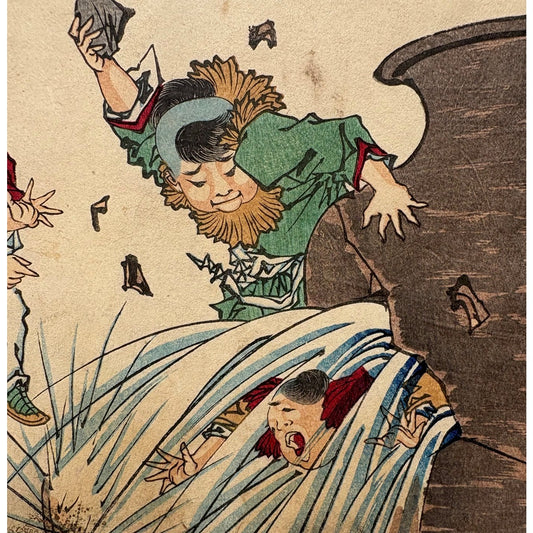
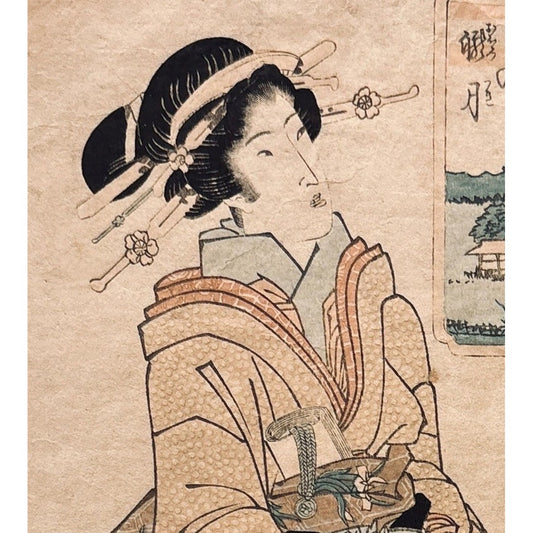
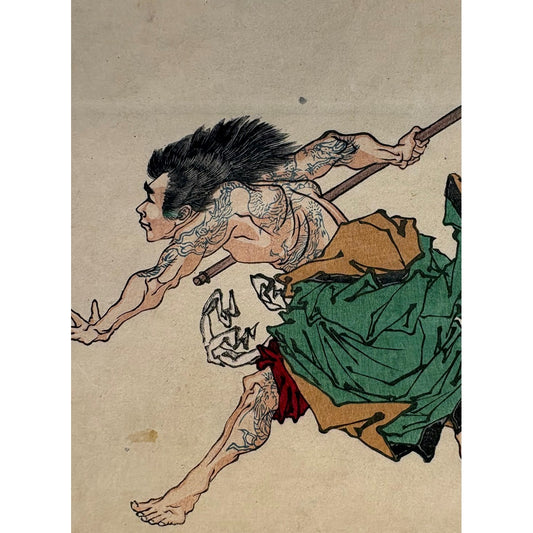
Ukiyo-e prints depicted a wide range of subjects, including actors, courtesans, landscapes, historical events, and scenes from literature. During the 19th century, Japanese woodblock prints had a significant influence on Western art, particularly Impressionism and Post-Impressionism.
Major Periods and Artists
Edo Period (1603–1868)
This period marks the classical age of ukiyo-e, when its themes and techniques were fully established.
Notable artists:
-
Hishikawa Moronobu – a pioneer of early ukiyo-e and a key figure in the development of illustrated books.
-
Katsushika Hokusai – one of Japan’s most celebrated artists, best known for landscape prints and the series Thirty-Six Views of Mount Fuji.
Meiji Period (1868–1912)
The Meiji era introduced modernization and Western influence, leading to changes in both style and subject matter. Ukiyo-e began to document modern life, warfare, and technological progress.
Notable artists:
-
Tsukioka Yoshitoshi – regarded as the last great master of ukiyo-e, blending tradition with dramatic modern expression
-
.Kobayashi Kiyochika – known for his innovative use of light and Western-inspired perspectives in urban scenes.
Japanese woodblock prints remain an essential part of global art history and continue to be valued for their artistic, cultural, and historical significance.