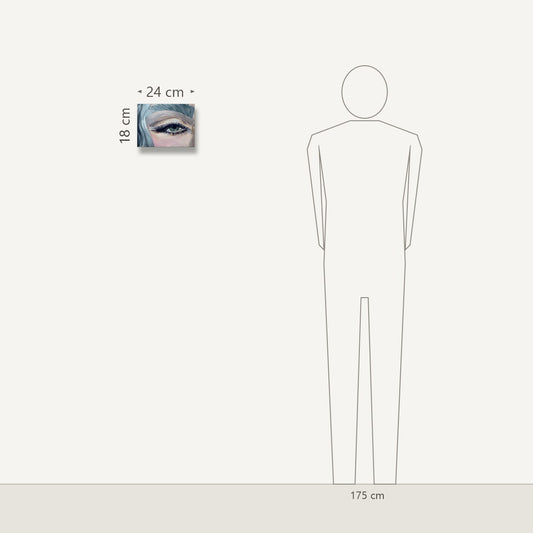
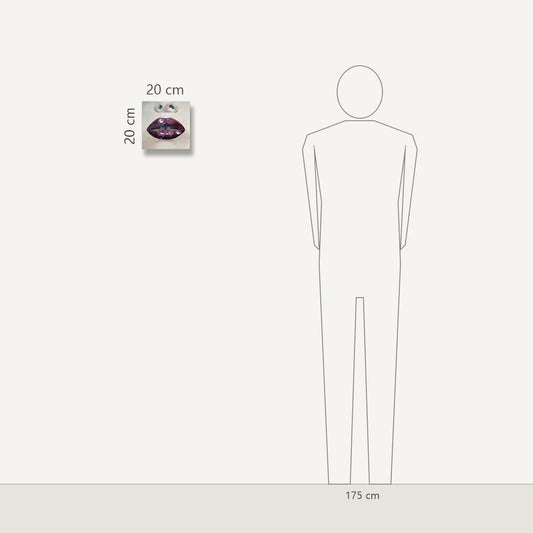
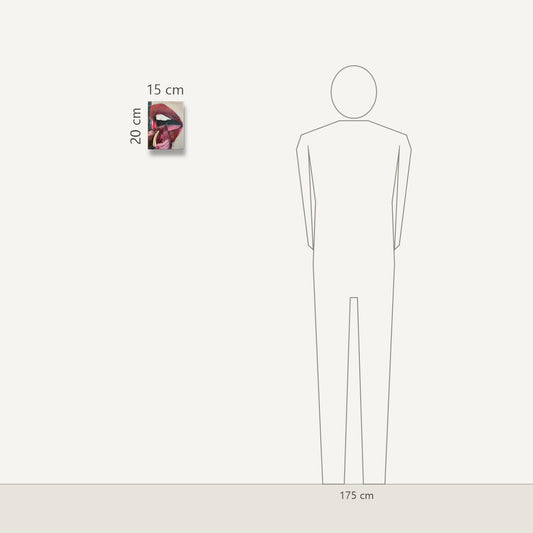
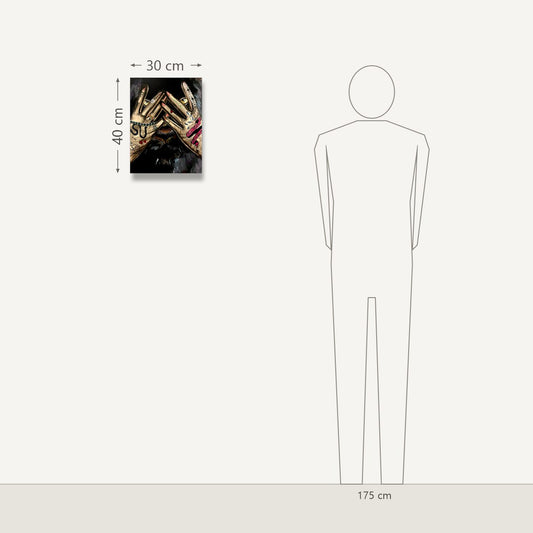
Gabrielė Šermukšnytė (b. 1990) earned her Bachelor’s and Master’s degrees in Painting at the Vilnius Academy of Arts. She has been a member of the Lithuanian Artists’ Association since 2016. She has held four solo exhibitions in Lithuania and has participated in more than a dozen group exhibitions in Lithuania, India, the Netherlands, Poland, and Georgia, as well as plein-air workshops in Lithuania and Georgia.
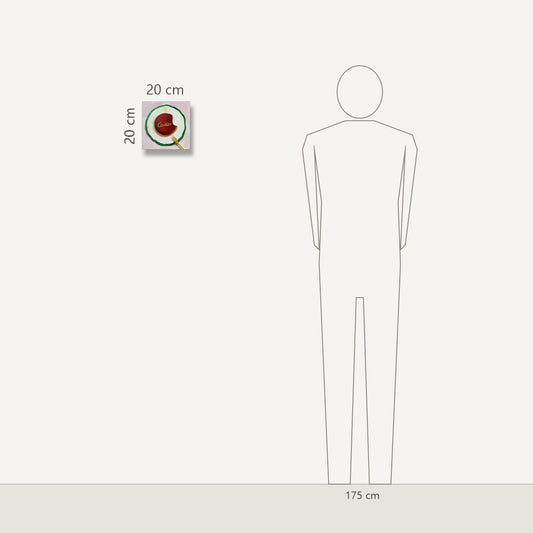
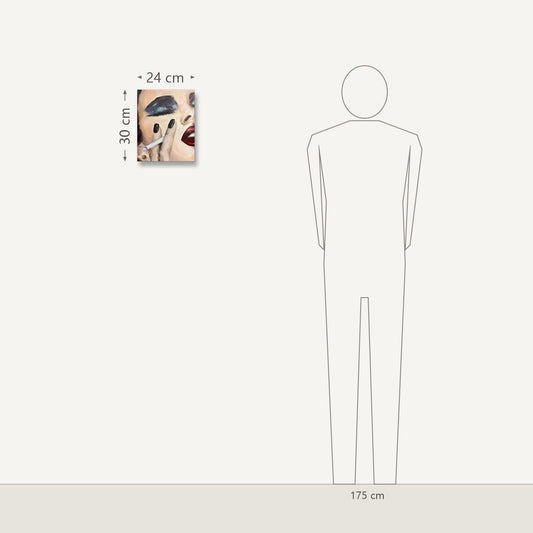
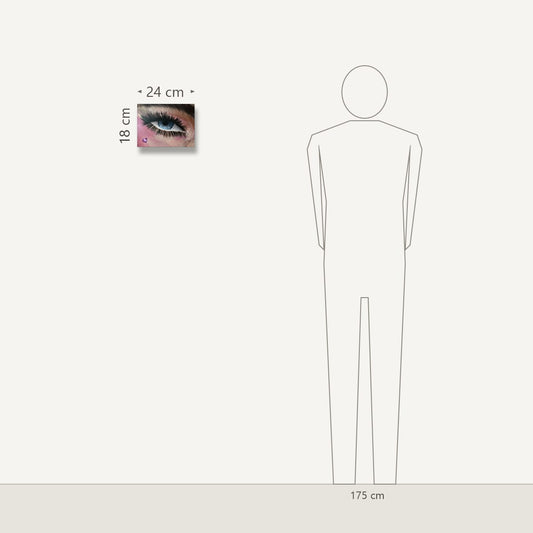
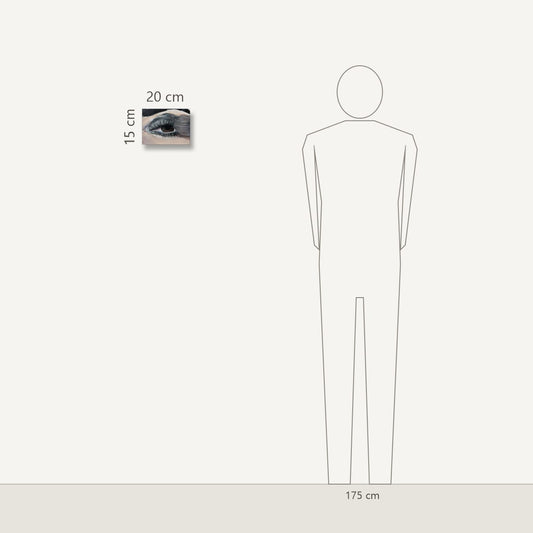
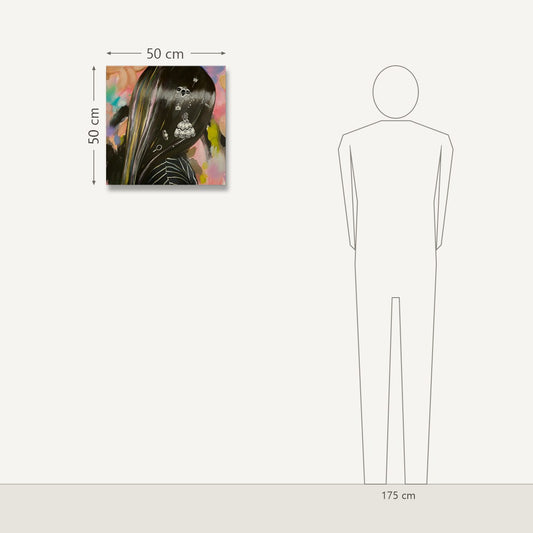
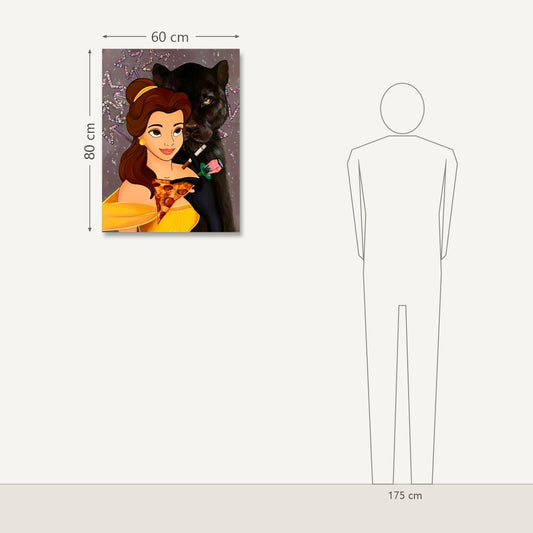
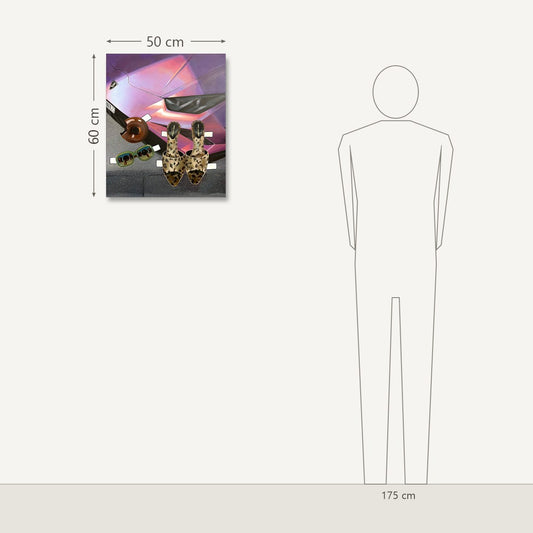
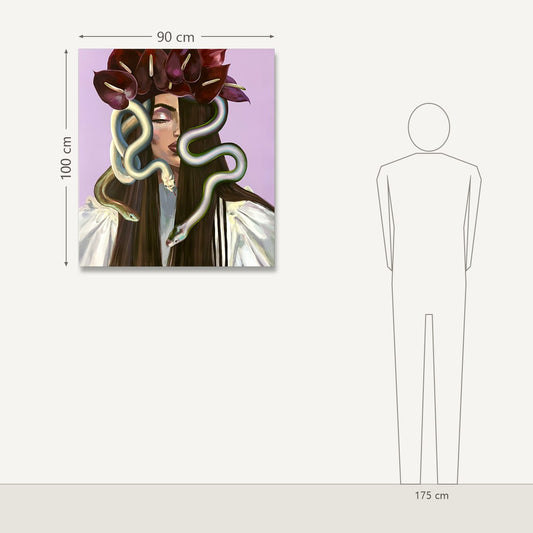
Gabrielė Šermukšnytė is a representative of the young generation of figurative painting with a recognizable creative style. The artist explores the inside-out sides of pop culture, ironically commenting on the decadence of contemporary society and presenting its merciless reflection.
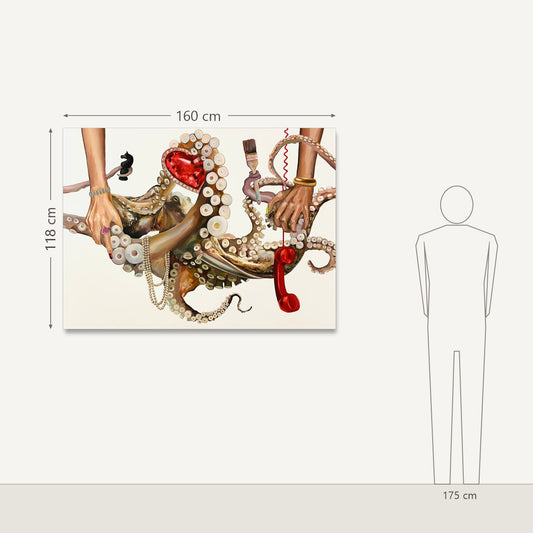
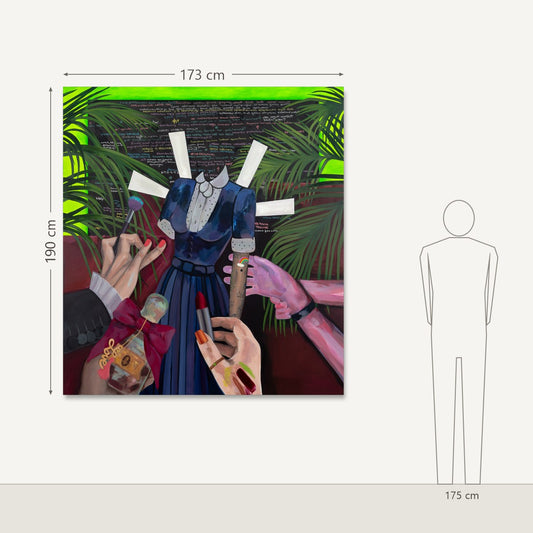
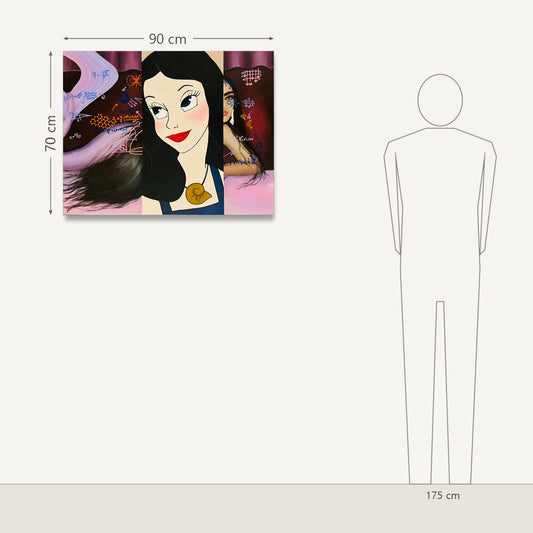
In Gabrielė’s work, society’s wounds are presented with the softness of velvet—probing painful spots through a sweetened painterly rhetoric. Her muted palette of pink and brown tones has become a signature feature, as have the vanishing and reappearing soft brushstrokes and meticulous attention to detail.
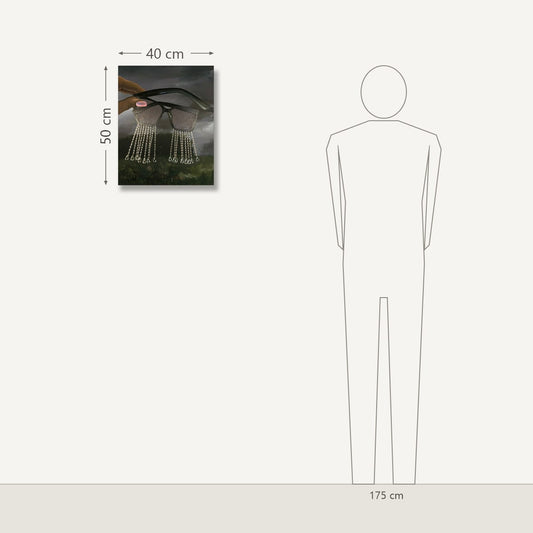
To unravel these inverted seams, the artist often employs the symbol of the mirror. It is turned toward the face of a self-destructive world, raised before herself and the viewer, and rotated between reality and illusion. The theme of reflection has already appeared in her solo exhibitions The Bird Will Fly Away Soon (2015), (Re)Flection (2014), and Two Sides of the Mirror (2014). This theme is reconsidered and re-emerges in her paintings as a frame imposed by society, an environment of vanity, a reflection of the audiovisual era, or a symbol of the subconscious.
The figures in Gabrielė’s paintings—fairy-tale characters, plastic mannequins, beings suspended between human and object—seem to exist in a constant state of waiting. The space, filled with surreal, impossibly sweet luxury, hovers in a frozen moment. Although the works raise questions about contemporary issues, their space-time seems to reach the viewer from another era and another reality. The viewer recognizes elements of mass culture and is drawn into a narrative of painterly imagery reminiscent of a dream or a mirage.
The concept of beauty in Gabrielė’s work acquires different meanings and functions. In intentionally excessive paintings, beauty is viewed ironically, creating a lush projection of mass culture and returning it back to society. The viewer is drawn into a continuous game—a call to solve riddles and guess what the cards have revealed this time.